Thứ Ba, 12 tháng 3, 2013

Gain Weight Diet: Add Muscle, Not Fat

Calorie Content of Food to Gain Weight

Proteins and all carbohydrates have 4 calories per gram and fats have 9 calories per gram, but different foods have different calorie density due to what the food is made of and its water content.

A person could eat two heads of lettuce and feel quite full, but few calories would be consumed. However, a small stick of butter would contain loads of calories although it would be difficult to eat a stick of butter in one sitting.

If you want to beef up your calorie content to gain weight then choose calorie-concentrated foods.

Choose foods that are both nutritionally dense and calorie dense, as they will help you gain weight by adding muscle mass and not fat.

Foods That Have Few Calories

Foods that have a lot of fiber and a high water content are usually very low in calories. Many vegetables are low calorie foods and won’t help you gain weight but are often used by body builders to “lean up” before a competition. Nutritionally, vegetables should still be included in the diet, but not in bulk. Here are some low calorie options.

  • lettuce
  • broccoli
  • cucumbers
  • spinach
  • celery
  • cauliflower
  • peppers
  • onions
  • oatmeal

Carbs That are Calorie-Dense

Choosing the right carbs is important and just because a food has a lot of calories, it doesn’t mean the food is nutritious or that it will help you gain weight. For instance, white bread and white sugar are calorie dense but they are nutritionally empty and have been shown to cause people to gain weight, although in the form of fat cells not muscle mass.

Pick foods that are made of complex carbs, that will provide your body good nutrition, and that will not spike blood sugar levels. Calorie dense carbs to use as part of a gain weight diet include.

  • whole wheat pasta
  • brown rice
  • quinoa
  • sweet potatoes
  • potatoes
  • fruit
  • juices
  • beans
  • whole grain bread

Calories From Fats

This is an item of great controversy in the area of diet and gaining weight. Some promote eating very little fat, while others say that you can eat as much fat as you like and still lose fat and build muscle.

There is a happy medium. Those wishing to gain weight should eat some fat, but make sure the majority of the fat consumed is healthy fat. Cells actually require fat to function and grow. Stay away from processed fats like hydrogenated oils and eat natural fats found in foods such as;

  • nuts
  • avocados
  • eggs
  • olive oil
  • fish oil
  • flaxseed oil

Muscle Mass Builder: Protein

Since muscles are composed of protein, then it only makes sense that a gain weight diet should contain a lot of protein rich foods. Now protein doesn’t go straight to your muscles but is first broken down into amino acids and then the body uses these amino acids to build the proteins it needs to grow more muscle cells. Most people think of meat as their number one protein source, but legumes, some grains, and some vegetables are good sources of protein as well. Protein rich foods include;

  • chicken
  • beef
  • fish
  • eggs
  • lentils
  • beans
  • nuts
  • quinoa
  • avocado
  • amaranth
  • peas
  • plain yogurt
  • milk

Gain Weight Diet: Add Muscle, Not Fat

Thứ Hai, 11 tháng 3, 2013

Lose Weight Fast - Get A Sexy Body Fast

Nobody likes to live in a body they aren’t proud to show off. Because not only does this make you feel less sexy, but it makes you feel less wanted.

And I’m pretty sure you want to feel attractive, don’t you?

I know I do.

The good news is that in this guide on how to lose weight fast for teenage girls I am going to show you the right strategy.

A strategy that will allow you to get the sexy body you want and deserve.
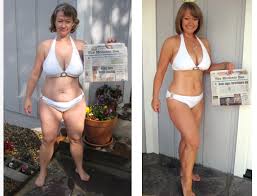
What’s Holding You Back?

Estrogen and caloric intake.

These two factors alone will prevent you from getting a skinnier body. So if you want to lose weight fast you have to address both of them.

The good news is that teenage girls have faster metabolisms and recover a lot better from exercise. This means you can get great results in a short amount of time.

Step 1: Control Those Calories

Although there are a lot of different moving parts to this equation, the amount of calories you eat ultimately controls how much weight you can lose.

But this doesn’t mean you can simply stop eating here. This will destroy your metabolism and set you up for a massive weight gain rebound. The type of rebound that will leave you with stretch marks…

So to avoid this from happening to you, eat smaller but extremely frequent meals. In each meal include the following:

  • One palm-full of protein
  • One palm-full of carbs
  • One tablespoon of fat
  • As many vegetables as possible

This will prevent your metabolism from crashing while allowing you to lose weight at a rapid rate.

Now if the weight doesn’t come off fast enough, slowly constrict your intake of carbohydrates while simultaneously increasing your intake of protein.

And if you are going to get really aggressive here, I strongly recommend supplementing with a multivitamin/mineral.

One more thing: make beans and legumes your primary source of carbohydrates for even faster results.

Step 2: Start Doing High Intensity Exercise

Learning how to lose weight fast for teenage girls can be difficult because of all the exercise programs out there. And how are you supposed to figure out which one produces the fastest results?

Well, you don’t have to do anything fancy here. All you need is resistance training done in circuit fashion.

To create a circuit, pick one exercise for each major muscle group. Pick one for your pushing muscles (chest), pulling muscles (back), and one for your lower body muscles (glutes, quads).

Then, do each exercise one after another without rest. Once you have completed the circuit you should rest for a brief period of time.

Here’s the catch: you have to use heavy weights and push yourself hard to get the maximum benefit.

But it’s well worth it because one hour of this training will have you burning extra calories (and losing more weight) for many days after.

No other type of exercise can do this.

I Just Want To Learn How To Lose Weight Fast For Teenage Girls – Not Become A Power Lifter!

The body of a teenage girl does not have the skeletal structure or testosterone output to gain significant amounts of muscle.

Ironically, not lifting weights will make it extremely hard for you to reach lower body fat percentages healthily.

Because yes, you could simply stop eating and run on a treadmill all day but you would lose muscle and fat. You’d become a skeleton with no sexy curves whatsoever. And this doesn’t look attractive.

You are far better off lifting weights so you can burn a massive amount of calories which will allow you to lose a lot more weight.

Just make sure you control those calories…

Step 3: Add In Some Cardio If You Have Time

If you can commit to more than a couple resistance training sessions per week, adding in some cardio will help.

Just make sure it doesn’t interfere too much with your ability to recover from the intense resistance training.

To stay in the safe zone, I recommend doing a combination of high, medium and low intensity cardio.

Also, don’t just do one type of cardio all the time. You’ll end up adapting to it and you’ll stop burning a lot of calories. So try to switch up the type of cardio you do as frequently as possible.

Step 4: Rotate Your Carbs For Lightening Fast Results

Cutting out carbs completely will make you lose a massive amount of weight, but it’s not sustainable, it’s unhealthy and will lead to weight gain rebound.

So the next best thing here is to simply rotate your carbs.

On the days you are resistance training maintain your carbohydrate intake as outlined above. And on the days you aren’t, only have carbs for breakfast.

If you start to feel sluggish supplement your diet with caffeine. Or, simply drink some green tea, coffee, yerba mate and/or a red bull.

Here is a sample schedule you could potentially follow:

  • Day 1: resistance training
  • Day 2: rest (less carbs)
  • Day 3: resistance training
  • Day 4: rest (less carbs)
  • Day 5: resistance training
  • Day 6: rest (less carbs)
  • Day 7: rest (less carbs)

But why does carbohydrate rotation work so well?

Because it lowers insulin which in turn maximizes weight loss in your body.

Step 5: Don’t Forget About Estrogen

As you gain weight estrogen goes up. As estrogen goes up you gain more weight.

So it’s really important that you control this hormone. Luckily, the strategies I have already outlined above will help lower your levels of estrogen.

Just make sure you do the following:

  • Never go on a low fat diet
  • Use heavy weights and 8-12 repetition sets

As long as you keep the above two in mind you will reduce estrogen in your teenage body.

How To Lose Weight Fast For Teenage Girls: Final Thoughts

If you have limited experience with exercise and diet I strongly recommend against rotating your carbohydrate intake. This may be overwhelming for a beginner and you can still get excellent results with the other strategies.

Just remember that whatever approach you use, you have to take action.

Because without action you will never be able to lose weight no matter how badly you want to.

Good luck!


Lose Weight Fast - Get A Sexy Body Fast

Weight Loss effectively for teens

These tips are not about what diet pill to take or starvation fad diet to try as both these methods are unhealthy and ineffective.

Instead, these tips are easy and healthful ways for you to change your current habits to help you lose weight.

Remember, you are still young and changes you make today can last a life time.  This way you are ensured to stay thin and healthy for life.

1. DRINK

If you are an overweight teen, or a parent looking for ways to help your overweight teen, then one of the first things you want to do is take a look at what you drink.

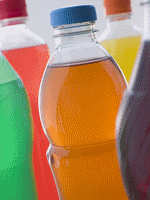
Did you know that a 12oz can of regular flavored soda has over 100 calories and 10 teaspoons of sugar?  Fruit juices as well are very high in calories and glucose.

Replacing these drinks with water and other low calorie drinks is a great quick weight loss for teens tip.  Switch to diet sodas and limit the juice drinks to just one a day.

This one change alone can give you a quick weight loss for teens.  By changing what your drink, you can reduce your calorie intake by 100’s of calories a day, depending on how much of these types of drinks you have now.

Additionally, studies are now showing that water can help speed up your metabolism.  So with your next meal, try a tall glass of water or green tea instead of the sugary soda.

Studies have shown that by replacing the sugary drinks with water, people have lost up to 20 lbs in one year without any other changes to their current lifestyle.

This means that if you make this change and other changes, you can lose even more weight in the same 12 months.

soda drinks

2. FOOD

Another way to address quick weight loss for teens is by addressing the eating habits.

With all the fast food restaurants and vending machines at the schools, it’s difficult for a teen to find healthier foods, but it can be done.

Many fast food restaurants now offer healthier food options on their menus.

Instead of getting a large fry for your side dish at McDonalds, order their fruit or low fat yogurt.  Instead of the Big Mac, get just a single hamburger.  Replace your after school snack of chips with fruit and/or baby carrots.

These changes can be a great start to help you reduce your calorie and fat intake to lose weight.  As a teen, I remember eating at Taco Bell at least 3 times a week with my friends.

Yes I still remember high school, so not that old yet. So I know it can be difficult to avoid these types of foods 100 percent of the time.

But if you can reduce the amount of times you eat out, and instead select to eat at home and choose a healthier meal, you will not only be losing weight but building a healthy habit that will be a lifestyle change. This lifestyle change not only gives quick weight loss for teens, but helps keep the weight off by keeping this good habit.

fruit salad

3. BREAKFAST IS THE  MOST IMPORTANT MEAL

You’ve probably heard this quick weight loss tips for teens from your parents. Someone is always saying “eat your breakfast, it’s healthy for you”.

Well they are not just using an old saying, there is truth behind this useful health tip.

If you a not a morning person, and believe me I can relate to that, then you may have a tendency to skip breakfast.

he old saying, breakfast is the most important meal, is not just a cliché, but has real benefits.

First, by eating breakfast, you are not only providing your body with key energy and nutrients, you are boosting your metabolism.  Give your metabolism a jump start by eating something, even if it’s something small, for breakfast.

Have some low fat yogurt on hand and some fruits.  Yogurt is a quick and easy item to eat if you are short of time.  Take a fruit with you to snack on the way to school.

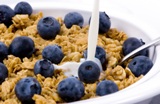
If you have more time, then try a whole grain cereal with skim milk or 100% whole wheat bagels with light cream cheese.  These foods are complex carbohydrates (the good carbs) and high in fiber.  They are also one of the metabolism booster foods.

cereal

4. GET ACTIVE

One way for anyone to lose weight and keep it off is to be active.  Exercising is a key component to any weight loss program and is probably the most important quick weight loss for teens tip on this page.

You should aim to get at least 60 minutes of activity a day.  This can be done in more than one session and any activity will help.

Instead of watching TV right after school or surfing the net and emailing friends, take some time out to be active.

Go for a brisk walk around your neighborhood; take the dog if you have one.

Help your parents with the daily chores (mom will love this suggestion).  Even normal household chores such as vacuuming, mowing the lawn or going up and down the stairs to do laundry will help burn calories.

In addition to the above suggestions, try scheduling time for a 30 minute workout.  Alter your workout between aerobic exercises and strength training exercises.  Check out these exercise tips for more ways to get active.

5. SUPPORT FROM FRIENDS AND FAMILY

Losing weight for anyone is a huge challenge but with all the peer pressure and challenges facing teens today, it can be an even bigger challenge for teen weight loss.

The first step for this quick weight loss for teens tip is to talk to your parents. Let your parents know you want to start to lose weight the healthy way.  Ask for their advice and support.  Go shopping with them to pick out your healthy snacks.

Enlist your friends to help support you on your weight loss goals.  Let them know you are working towards becoming healthier by eating right and getting active.

Ask them to join you on your walks.  Or if they suggest another fast food restaurant, suggest coming back to your house for something healthier and much cheaper.

Here is a great site I highly recommend to any teen looking for ways to lose weight.  This is a totally free weight loss for teens program.


Weight Loss effectively for teens

Most common health concerns for the male Australian population

Most common health concerns for the male Australian population

  • Introduction
  • Cardiovascular disorders in Australian Men 
  • Stroke in Australian Men
  • Cancer in Australian Men
  • Diabetes in Australian Men
  • Mental Health in Australian Men

Coronary heart disease (CHD), including heart attacks (interrupted blood supply to the heart due to a blocked blood vessel) and angina (temporary chest pain caused by reduced blood supply to the heart), has been identified as the most common cause of sudden death in Australia. In a recent survey by the Australian Institute of Health and Welfare, CHD accounted for approximately 21% of deaths in Australia’s male population. However, while this remains a worrying figure, death rates due to CHD have been observed to decline in recent years. This encouraging observation may be the result of better prevention strategies and improved treatment approaches.

Stroke is a condition that is experienced when adequate blood supply to the brain becomes interrupted as a result of a blocked or ruptured artery. The outcome of such an event can often manifest as paralysis of different parts of the body or speech problems. In the male Australian population stroke is second only to CHD as a major contributor to death rates, accounting for 7.3% of male deaths in the year 2000. However, similarly to CHD death rates due to stroke have recently been observed to be declining. This is also likely a result of beneficial lifestyle changes and improvements in disease management.  

Cancer is the name given to a condition in which abnormal changes within body cells can cause them to multiply out of control. The resulting growth can damage surrounding tissues and organs and migration of the defective cells to other parts of the body can lead to extensive damage to a wide range of organ systems. Various forms of cancer are amongst the leading causes of death for both the males in Australia. Within the 45 to 64 year age group, cancer has overtaken CHD and stroke as the leading cause of death for men. In 2000, cancer deaths represented 45% of deaths among 55 to 64 year old males in Australia. Recent figures identify lung cancer as the leading cause of cancer related deaths in men in Australia. Annual rates of lung cancer were initially found to increase up until 1982, but since then a steady decline has been observed for the male population. Colorectal cancer represents the second most common cause of overall cancer deaths in Australia, with death rates somewhat higher in the male population. Death rates for this cancer have been more variable over the years. There has been fluctuation in the death rate for males (which was observed to climb between the early 1940s up until 1983). A more recent trend showed a decline in male colorectal cancer death rates. Prostate cancer represents the second most common cause of death for Australian males over the age of 70. The period between 1921 up to the early 1990s saw a slow increase in deaths due to prostate cancer. While a marked increase occurred in the early 1990s, since then an annual decrease in prostate cancer deaths has been observed between 1993 and 2000. However, prostate cancer still remains a major health concern for Australian men.

Type 2 diabetes mellitus (non-insulin-dependent diabetes) is a form of diabetes that usually makes its first appearance in adulthood, typically has milder symptoms than type 1 diabetes mellitus (insulin-dependent diabetes) and can be aggravated by obesity and a sedentary lifestyle. Lifestyle factors are an important contributor to diabetes among the male population. In 2001, studies showed that more men were overweight, while obesity rates (as defined by Body Mass Index (kg/m2) were found to be similar for both sexes in Australia, the United States and Canada. This highlights the need for both sexes to adopt appropriate lifestyle changes as preventative measures against developing type II diabetes.

suicide rates although fluctuating are between three to five times higher than the rest of the population. Since health initiatives have started focusing on combating youth suicide, a shift in suicide rates from high numbers amongst male youths (15-24 year olds) to a decline in youth suicide but increasing trend for suicide amongst older males (within the 25-39 year age group) has been observed. Thus strong incentives remain to direct more research towards elucidation of underlying mental health issues in the male population, in order to develop appropriate and effective preventative strategies for different age group.

Reference

  1. AIHW (Australian Institute of Health and Welfare) 2002. Australia’s health 2002. Canberra: AIHW.
  2. ABS (Australian Bureau of Statistics) 2001. Causes of death, Australia, 2003. ABS Cat. No. 3303.0. Canberra: ABS.
  3. AIHW and Australasian Association of Cancer Registries (AACR) 2001. Cancer in Australia 1998. Cancer Series No. 17. AIHW Cat. No. CAN 12. Canberra: AIHW.
  4. Trichopolous D, Frederick PL and Hunter DJ 1996. What causes cancer? Scientific American 275 (3):50-57.
  5. AIHW 2003. Are all Australians gaining weight? Differentials in overweight and obesity among adults, 1989-90 to 2001. Canberra: AIHW.
  6. WHO (World Health Organization) 2000. Obesity: Preventing and managing the global epidemic. Report of a WHO consultation. WHO Technical Report Series 894. Geneva: WHO.
  7. Flegal KM, Carroll MD, Ogden CL and Johnson CL 2002. Prevalence and trends in obesity among US adults, 1999-2000. Journal of the American Medical Association 288 (14):1723-1732.
  8. Schoenborn CA, Admas PF and Barnes PM 2002. Body weight status of adults: United States, 1997-98. Advance Data from vital and health statistics; no. 330. Hyattsville, Maryland: National Centre for Health Statistics.
  9. Torrance GM, Hooper MD and Reeder BA 2002. Trends in overweight and obesity among adults in Canada (1970-1992): evidence from national surveys using measured height and weight. International Journal of Obesity and Related Metabolic Disorders 26(6):797-804.
  10. Cameron AJ, Welborn TA, Zimmet PZ, Dunstan DW, Own N, Salmon J, Dalton M, Jolley D and Shaw JE 2003. Overweight and obesity in Australia: the 1999-2000 Australian Diabetes, Obesity and Lifestyle Study (AusDiab). Medical Journal of Australia178(9):427-432.
  11. ABS 2001. National Health Survey: Summary of Results, 2001. ABS Cat. No. 4364.0. Canberra: ABS.
  12. Steenkamp M and Harrison JE 2000. Suicide and hospitalised self-harm in Australia. AIHW Cat. No. INJCAT 30. Adelaide: AIHW Injury Research and Statistics Series.

Related Diseases:

Connect


Sign up for free newsletters


Subscribe to RSS feeds


Discuss on Forum

Article Dates:

Modified: 3/6/2010

Created: 17/2/2006


Most common health concerns for the male Australian population

Most common health concerns for the male Australian population

Most common health concerns for the male Australian population

  • Introduction
  • Cardiovascular disorders in Australian Men 
  • Stroke in Australian Men
  • Cancer in Australian Men
  • Diabetes in Australian Men
  • Mental Health in Australian Men

Coronary heart disease (CHD), including heart attacks (interrupted blood supply to the heart due to a blocked blood vessel) and angina (temporary chest pain caused by reduced blood supply to the heart), has been identified as the most common cause of sudden death in Australia. In a recent survey by the Australian Institute of Health and Welfare, CHD accounted for approximately 21% of deaths in Australia’s male population. However, while this remains a worrying figure, death rates due to CHD have been observed to decline in recent years. This encouraging observation may be the result of better prevention strategies and improved treatment approaches.

Stroke is a condition that is experienced when adequate blood supply to the brain becomes interrupted as a result of a blocked or ruptured artery. The outcome of such an event can often manifest as paralysis of different parts of the body or speech problems. In the male Australian population stroke is second only to CHD as a major contributor to death rates, accounting for 7.3% of male deaths in the year 2000. However, similarly to CHD death rates due to stroke have recently been observed to be declining. This is also likely a result of beneficial lifestyle changes and improvements in disease management.  

Cancer is the name given to a condition in which abnormal changes within body cells can cause them to multiply out of control. The resulting growth can damage surrounding tissues and organs and migration of the defective cells to other parts of the body can lead to extensive damage to a wide range of organ systems. Various forms of cancer are amongst the leading causes of death for both the males in Australia. Within the 45 to 64 year age group, cancer has overtaken CHD and stroke as the leading cause of death for men. In 2000, cancer deaths represented 45% of deaths among 55 to 64 year old males in Australia. Recent figures identify lung cancer as the leading cause of cancer related deaths in men in Australia. Annual rates of lung cancer were initially found to increase up until 1982, but since then a steady decline has been observed for the male population. Colorectal cancer represents the second most common cause of overall cancer deaths in Australia, with death rates somewhat higher in the male population. Death rates for this cancer have been more variable over the years. There has been fluctuation in the death rate for males (which was observed to climb between the early 1940s up until 1983). A more recent trend showed a decline in male colorectal cancer death rates. Prostate cancer represents the second most common cause of death for Australian males over the age of 70. The period between 1921 up to the early 1990s saw a slow increase in deaths due to prostate cancer. While a marked increase occurred in the early 1990s, since then an annual decrease in prostate cancer deaths has been observed between 1993 and 2000. However, prostate cancer still remains a major health concern for Australian men.

Type 2 diabetes mellitus (non-insulin-dependent diabetes) is a form of diabetes that usually makes its first appearance in adulthood, typically has milder symptoms than type 1 diabetes mellitus (insulin-dependent diabetes) and can be aggravated by obesity and a sedentary lifestyle. Lifestyle factors are an important contributor to diabetes among the male population. In 2001, studies showed that more men were overweight, while obesity rates (as defined by Body Mass Index (kg/m2) were found to be similar for both sexes in Australia, the United States and Canada. This highlights the need for both sexes to adopt appropriate lifestyle changes as preventative measures against developing type II diabetes.

suicide rates although fluctuating are between three to five times higher than the rest of the population. Since health initiatives have started focusing on combating youth suicide, a shift in suicide rates from high numbers amongst male youths (15-24 year olds) to a decline in youth suicide but increasing trend for suicide amongst older males (within the 25-39 year age group) has been observed. Thus strong incentives remain to direct more research towards elucidation of underlying mental health issues in the male population, in order to develop appropriate and effective preventative strategies for different age group.

Reference

  1. AIHW (Australian Institute of Health and Welfare) 2002. Australia’s health 2002. Canberra: AIHW.
  2. ABS (Australian Bureau of Statistics) 2001. Causes of death, Australia, 2003. ABS Cat. No. 3303.0. Canberra: ABS.
  3. AIHW and Australasian Association of Cancer Registries (AACR) 2001. Cancer in Australia 1998. Cancer Series No. 17. AIHW Cat. No. CAN 12. Canberra: AIHW.
  4. Trichopolous D, Frederick PL and Hunter DJ 1996. What causes cancer? Scientific American 275 (3):50-57.
  5. AIHW 2003. Are all Australians gaining weight? Differentials in overweight and obesity among adults, 1989-90 to 2001. Canberra: AIHW.
  6. WHO (World Health Organization) 2000. Obesity: Preventing and managing the global epidemic. Report of a WHO consultation. WHO Technical Report Series 894. Geneva: WHO.
  7. Flegal KM, Carroll MD, Ogden CL and Johnson CL 2002. Prevalence and trends in obesity among US adults, 1999-2000. Journal of the American Medical Association 288 (14):1723-1732.
  8. Schoenborn CA, Admas PF and Barnes PM 2002. Body weight status of adults: United States, 1997-98. Advance Data from vital and health statistics; no. 330. Hyattsville, Maryland: National Centre for Health Statistics.
  9. Torrance GM, Hooper MD and Reeder BA 2002. Trends in overweight and obesity among adults in Canada (1970-1992): evidence from national surveys using measured height and weight. International Journal of Obesity and Related Metabolic Disorders 26(6):797-804.
  10. Cameron AJ, Welborn TA, Zimmet PZ, Dunstan DW, Own N, Salmon J, Dalton M, Jolley D and Shaw JE 2003. Overweight and obesity in Australia: the 1999-2000 Australian Diabetes, Obesity and Lifestyle Study (AusDiab). Medical Journal of Australia178(9):427-432.
  11. ABS 2001. National Health Survey: Summary of Results, 2001. ABS Cat. No. 4364.0. Canberra: ABS.
  12. Steenkamp M and Harrison JE 2000. Suicide and hospitalised self-harm in Australia. AIHW Cat. No. INJCAT 30. Adelaide: AIHW Injury Research and Statistics Series.

Related Diseases:

Connect


Sign up for free newsletters


Subscribe to RSS feeds


Discuss on Forum

Article Dates:

Modified: 3/6/2010

Created: 17/2/2006


Most common health concerns for the male Australian population

Bioactives

Bioactives

  • daa1f dairy 250 Erectile Dysfunction: Impact on Other Diseases and ConditionsWhat are bioactives?
  • What are bioactives used for?
  • How are bioactives incorporated into our food?
  • Criticisms of bioactives


Bioactives are chemicals, chemical molecules and microbes (microscopic organisms) that have some biological effect on our bodies. Bioactive food components are bioactives that have been added to food. Bioactives are not essential for nutrition (i.e. you can’t be deficient in bioactives) but they are thought to offer some health benefits. Bioactives are usually substances that have been isolated or derived from plants and other living systems.

Milks and drinking yoghurts are commonly used to deliver bioactive food components. For example, probiotics or live bacterial cultures such as Lactobacillus can be added to yoghurts and other dairy foods. These microorganisms aid digestion by improving the microbial balance in the intestine or gut.

Waste products from the food industry also contain bioactives. For example, whey (a waste product in cheese production), contains proteins such as lactoferrin, which have anti-viral and anti-inflammatory properties.

blood clotting.

carbohydrates only a few microns (one millionth of a metre) in diameter. The film protects bioactives during food processing, storage and cooking so that the bioactive ingredient is available after food consumption and digestion.

Types and Composition of Food.e76be fruit smile Erectile Dysfunction: Impact on Other Diseases and Conditions For more information on nutrition, including information on nutrition and people, conditions related to nutrition, and diets and recipes, as well as some useful videos and tools, see Nutrition. 

Reference

  1. Food Science Australia. Delivering bioactive ingredients to targeted sites in the gastrointestinal tract [document on the Internet]. Victoria, Aust.: Food Science Australia. [cited 21 July 2008]. Available from: http://www.foodscience.csiro.au/ delivering-bioactives.htm
  2. Niemann B. Functional ingredients: How much should we add to foods? [document on the Internet]. Functional Foods Net. April 2008 [cited 21 July 2008]. Available from: http://www.functionalfoodnet.eu/ asp/ default.asp?p=7
  3. Mee P. Functional Foods: A dietician’s perspective [document on the internet]. Functional Foods Net. January 2008 [cited 21 July 2008]. Available from: http://www.functionalfoodnet.eu/ asp/ default.asp?p=7
  4. Roupas P, Williams PG. Regulatory aspects of bioactive dairy ingredients. Bulletin of the International Dairy Federation. 2007; 413: 16-26.
  5. CSIRO. Separating bioactives [document on the Internet]. Victoria, Aust.:  Commonwealth Scientific and Industrial Research Organisation. 19 July 2006 [cited 21 July 2008]. Available from: http://www.csiro.au/ science/ ps20w.html
  6. Office of Dietary Supplements: National Institutes of Health. Summary of comments received in response to the Federal register notice (Federal Register Vol 69, No 179: Sept 16, 2004, pp 55821-55822): Defining bioactive food components [document on the Internet]. Maryland, USA: USA Government. 17 February 2006. [cited 21 July 2008]. Available from: http://ods.od.nih.gov/ Research/ Bioactive_Food_Components_Initiatives.aspx
  7. Hasler CM. Functional foods: Benefits, concerns and challenges: A position paper from the American Council on Science and Health. Journal of Nutrition. 2002; 132: 3772-81.
  8. CSIRO. Media release: Extracting ‘bioactives’ from agricultural and food processing streams [document on the Internet]. Victoria, Aust.:  Commonwealth Scientific and Industrial Research Organisation. 12 December 2006 [cited 21 July 2008]. Available from: http://www.csiro.au/ news/ ps2l3.html

Connect


Sign up for free newsletters


Subscribe to RSS feeds


Discuss on Forum

Article Dates:

Modified: 30/12/2010

Created: 22/7/2008


Bioactives

Erectile Dysfunction: Impact on Other Diseases and Conditions

Erectile Dysfunction: Impact on Other Diseases and Conditions

  • 109eb man14 180 Erectile Dysfunction: Impact on Other Diseases and ConditionsIntroduction to erectile dysfunction and systemic health
  • Conditions associated with erectile dysfunction
    • Cardiovascular disease
    • Diabetes and metabolic syndrome
    • Dyslipidaemia
    • High blood pressure
    • Endocrine disorders
    • Other conditions associated with erectile dysfunction
  • Conditions not associated with erectile dysfunction
    • Alcohol consumption
  • Erectile dysfunction as an indicator of health
    • Screening for disease in men with erectile dysfunction
    • Screening for erectile dysfunction in men with disease
  • Assessing and managing lifestyle risk factors
    • Diet and exercise
    • Alcohol, smoking and other recreational drug use

Erectile dysfunction is a condition in which a man cannot achieve or maintain an erection rigid enough to allow sexual intercourse. Erectile dysfunction is associated with increasing age – the chances of a man experiencing erectile dysfunction doubles (and may even triple) between 40 and 70 years of age. However, erectile dysfunction can affect men of all ages. In one Australian study, almost 10% of men aged 20–39 reported experiencing erectile dysfunction.

Erectile dysfunction is not a life-threatening condition, but it can have a serious impact on a man’s sense of wellbeing, relationships, and quality of life. Sexual dysfunction (including erectile dysfunction) is a major cause of relationship breakdown and stress, and can negatively affect a man’s self-esteem. In addition, a man’s erectile function adversely affects his partner’s sexual function.

Erectile dysfunction is also associated with many systemic health conditions (health conditions which affect the whole body or other body systems). Systemic health conditions affect a man’s physical health, can impact negatively on the treatment of erectile dysfunction and, in some cases, are life-threatening.

blood vessels. These diseases affect the way blood is transported through the body (including through the penis), and include hypertension (high blood pressure) and ischaemic heart disease (insufficient blood flow into the heart); both of which are often associated with the development of type 2 diabetes mellitus. These diseases, similar to erectile dysfunction, are all caused by dysfunction of the endothelium, which controls the opening and closing of blood vessels and therefore regulates blood flow through the body.

Erectile function is regulated by both arterial and venous penile blood flow (i.e. blood flow into and out of the penis). As the arteries of the penis are much smaller than other arteries in the body, they may be amongst the first to be affected by endothelial dysfunction. Erectile dysfunction may therefore occur before other symptoms of vascular disease become apparent. Vascular disease is the most common cause of erectile dysfunction, and the two conditions often occur together.

Erectile dysfunction is also a risk factor for cardiovascular disease. Men with erectile dysfunction are about one and a half times more likely to develop cardiovascular (heart) disease in the future than those who are able to achieve erections. Having erectile dysfunction increases the risk of cardiovascular disease to a similar degree as smoking or a family history of heart attack or dyslipidaemia (abnormalities of blood lipids such as cholesterol), which are considered major risk factors for cardiovascular disorders.


Diabetes and metabolic syndrome

Erectile dysfunction and diabetes mellitus are often comorbid (the conditions often occur at the same time), and erectile dysfunction is the first symptom of diabetes in some 20% of men who develop the condition. Between 20% and 85% of diabetic men experience erectile dysfunction, and the prevalence increases depending on the severity of their diabetes and their age.

Erectile dysfunction is the most frequent complaint amongst diabetic men and is also common amongst men with metabolic syndrome (a condition that often leads to type 2 diabetes mellitus, in which there are several co-occuring metabolic and vascular abnormalities, such as high blood glucose levels and high blood pressure) or symptoms of the disorder. An American study found that high proportions of men with erectile dysfunction exhibited at least one metabolic abnormality characteristic of metabolic syndrome (e.g. 31% had high blood pressure). An Italian study reported that a significantly higher proportion of men with metabolic syndrome also experienced erectile dysfunction, compared to healthy men.


Dyslipidaemia

48081 blood analysis2 180 Erectile Dysfunction: Impact on Other Diseases and ConditionsDyslipidaemia (abnormal blood lipid concentrations) is also associated with erectile dysfunction. Moderate cases of dyslipidaemia, which might not typically warrant treatment, may be the primary cause of erectile dysfunction in some men. Treating moderate dyslipidaemia can improve erectile function in these cases. The two conditions commonly co-exist. Different studies have reported that 40–70% of men with erectile dysfunction also experience dyslipidaemia, and men with dyslipidemia have an increased risk of developing erectile dysfunction.


High blood pressure

Hypertension and erectile dysfunction are commonly comorbid. Some 40% of men with erectile dysfunction are hypertensive, while 35% of hypertensive men experience erectile dysfunction.

Endocrine disorders (i.e. disorders of the body’s hormone-production system), including hyper- and hypothyroidism (over- and under-production of thyroid-secreted hormones), hyperprolactinaemia (excessive prolactin concentrations in blood) and hypogonadism (testosterone deficiency), may result in or worsen erectile dysfunction.

Thyroid disorders create imbalances in sex hormone binding globulin (SHBG) levels, which in turn affect the amount of bioavailable testosterone in the body. This affects erectile function. As such, treating these conditions may improve erectile function in the absence of other treatments.

High levels of prolactin, characterised by hyperprolactinaemia, may reduce the production of testosterone, as it suppresses the secretion of luteinising hormone (LH), which is needed to trigger testosterone production. As testosterone deficiency and erectile dysfunction are associated, conditions which affect testosterone production may also affect erectile function.

Hypogonadism is characterised by testosterone deficiency, causing reduced libido. It is associated with many of the same risk factors as erectile dysfunction, including obesity, diabetes, metabolic syndrome and depression. By definition, men with low libido often do not feel like having sex; therefore, they do not need to achieve an erection, and thus many testosterone-deficient men do not experience erectile dysfunction. However, in some cases of hypogonadism, men with reduced libido may still want to have sex on some occasions; in these cases, testosterone deficiency may negatively influence erectile function and its response to treatment with PDE-5 inhibitors. There is evidence that for some men, combined testosterone and PDE-5 inhibitor therapy is more effective than either treatment alone.


Other conditions associated with erectile dysfunction

48081 man head down 250 Erectile Dysfunction: Impact on Other Diseases and ConditionsOther health conditions associated with erectile dysfunction include:

  • Depression: Some studies have shown strong associations between current erectile dysfunction and depression. However, a large study from the United States reported that being depressed did not increase the risk of experiencing erectile dysfunction. This may mean that the association between erectile dysfunction and depression found in other studies arises because erectile dysfunction causes depression, rather than vice versa.
  • Premature ejaculation: Up to one third of men with erectile dysfunction also experience premature ejaculation. Having both conditions has a greater negative impact on quality of life and sexual enjoyment than experiencing either condition alone;
  • Lower urinary tract disorders: Men with lower urinary tract disorders are significantly more likely to experience erectile dysfunction than those without. Studies have reported a 2–9 times increased likelihood of erectile dysfunction in men with lower urinary tract disorders, depending on the characteristics of the man (e.g. their age). Studies have also reported that the risk of erectile dysfunction increases with the severity of lower urinary tract symptoms;
  • Benign prostatic hyperplasia: There is little evidence to show a direct association between erectile dysfunction and benign prostatic hyperplasia, although the risk of erectile dysfunction may increase, either because of lower urinary tract symptoms related to benign prostatic hyperplasia, or as a result of surgical treatment for benign prostatic hyperplasia. While evidence suggests that erectile dysfunction improves for more men following benign prostatic hyperplasia surgery, a significant proportion of men (~20%) experience more severe erectile dysfunction following surgery. A study of erectile dysfunction in Nigerian men with benign prostatic hyperplasia-related lower urinary tract disorders reported that more severe prostate symptoms of the lower urinary tract were associated with an increased likelihood of erectile dysfunction.

alcohol consumption is recommended because of its broad health effects. However, current evidence does not suggest that alcohol consumption impairs erectile function.

Screening for comorbid conditions can enhance the early detection and treatment of these conditions, and improve their treatment outcomes.

Cardiovascular disease and erectile dysfunction commonly co-exist. Where no other causes can be identified, a doctor will consider the possibility of this condition in men with erectile dysfunction, even in the absence of cardiovascular disease symptoms. Health conditions such as diabetes mellitus and hypertension may also be suspected in cases of unexplained erectile dysfunction, as they have common causes and men with these conditions often visit a doctor because of erectile dysfunction. A significant proportion (30%) may be unaware they have hypertension, and thus screening men with erectile dysfunction for this condition may help detect unidentified cases of hypertension. Similarly, erectile dysfunction may be a presenting complaint in cases of undiagnosed diabetes or dyslipidaemia. As such, men with erectile dysfunction that has no identifiable cause will probably have their blood lipid concentrations, fasting blood glucose levels, blood pressure and other cardiovascular parameters assessed by the doctor. Men with reduced libido or other symptoms of testosterone deficiency will likely have their blood testosterone levels assessed to screen for hypogonadism.

Angiotensin II receptor blockers have been shown to improve erectile function in hypertensive patients and may therefore be an appropriate choice for men with both conditions. On the other hand, thiazides and non-selective beta blockers are associated with erectile dysfunction and may be inappropriate for men who have difficulty achieving erections. Your doctor will be able to advise which medication is best for you.


Assessing and managing lifestyle risk factors

2b659 running2 180 Erectile Dysfunction: Impact on Other Diseases and ConditionsMany modifiable lifestyle factors affect erectile function and the effectiveness of its treatments, or are associated with conditions that cause erectile function. For example, diet and smoking are associated with cardiovascular disease, of which erectile dysfunction can be a symptom. Thus doctors are likely to assess the lifestyle of men with erectile dysfunction, with the aim of identifying and modifying lifestyle factors which may be exacerbating the condition.

nutrition, being overweight or obese, and inadequate exercise are associated with most of the conditions that increase the risk of erectile dysfunction. Thus, good nutrition and physical activity should reduce the risk of these conditions and improve erectile function. Men with erectile dysfunction should therefore attempt to:

  • Maintain a healthy BMI (body mass index): Obesity is associated with an increased risk of erectile dysfunction. One study reported that obese men (BMI 30) were almost twice as likely to experience erectile dysfunction compared to non-obese men. Another study reported that men who were obese earlier in life had a higher risk of experiencing erectile dysfunction than those who were not, even if they lost weight later in life;
  • Consume a healthy balanced diet and particularly a diet low in fat and cholesterol: Reducing cholesterol intake has been shown to improve erectile function in as little as three months, and is also thought to improve the effectiveness of PDE-5 inhibitor therapy. High-fat foods may interact with PDE-5 inhibitors and limit their effectiveness, so eating a low-fat diet during PDE-5 inhibitor therapy is also important for optimising treatment response. Low-fat and Mediterranean-style diets have proven effective in reducing the risk of erectile dysfunction in men with metabolic syndrome and obesity.
  • Be physically active: Physical activity protects against erectile dysfunction, even in men who start in mid-life. One study reported a 30% reduced risk of erectile dysfunction amongst men with high levels of physical activity compared to men with low levels. Exercise programs have also been demonstrated effective in improving sexual response in men with erectile dysfunction. However, take note that cycling for more than 3 hours per week is a risk factor for erectile dysfunction, and cycling may therefore not be an appropriate form of exercise for men who are unable to achieve erections. Cycling should be considered a potential contributor to erectile dysfunction by men who undertake this form of exercise.

alcohol, tobacco and other recreational drugs assessed. Men may be advised to:

  • Drink alcohol in moderation (if they choose to drink).
  • Quit smoking: There is evidence that smoking increases the risk of erectile dysfunction. One study reported a 50% increased risk of erectile dysfunction amongst men who smoked compared to those who did not. Another reported that men in their 40s who smoked were almost three times more likely to experience erectile dysfunction compared to former and never smokers;
  • Avoid using recreational drugs.

More information

17abb 3020 couple2 small Erectile Dysfunction: Impact on Other Diseases and Conditions
For more information on erectile dysfunction, types, causes and treatments of erectile dysfunction, and tips for dealing with it, see Erectile Dysfunction.


Reference

  1. International statistical classification of diseases and related health problems: 10th revision [online]. Geneva: World Health Organization; 5 April 2006 [cited 1 March 2010]. Available from: URL link
  2. Rosen RC, Riley A, Wagner G, et al. The international index of erectile function (IIEF): A multidimensional scale for assessment of erectile dysfunction. Urology. 1997;49(6):822-30. [Abstract]
  3. Chew KK, Earle CM, Stuckey BG, et al. Erectile dysfunction in general medicine practice: Prevalence and clinical correlates. Int J Impot Res. 2000;12(1):41-5. [Abstract | Full text]
  4. Hackett G, Dean J, Kell P. British Society for Sexual Medicine guidelines on the management of erectile dysfunction [online]. Staffordshire, UK: British Society for Sexual Medicine; 2007. [cited 25 February 2010]. Available from: URL link
  5. McCarthy BW. Relapse prevention strategies and techniques in sex therapy. J Sex Marital Ther. 1993;19(2):142-6. [Abstract]
  6. Montague DK, Jarow JP, Broderick GA, et al. Clinical Guidelines: Management of erectile dysfunction. Chapter 1: Diagnosis and treatment recommendations [online]. Linthicum, MD: American Urology Association; 2005 [cited 25 February 2010]. Available from: URL link
  7. Nehra A. Erectile dysfunction and cardiovascular disease: Efficacy and safety of phosphodiesterase type 5 inhibitors in men with both conditions. Mayo Clin Proc. 2009;84(2):139-48. [Abstract | Full text]
  8. Whittaker C. Phosphodiesterase type 5 inhibitors and erectile dysfunction. SA Fam Pract. 2010;52(3):207-11. [Abstract | Full text]
  9. Yassin A, Saad F. The associated link between erectile dysfunction, metabolic syndrome and hypogonadism. J Men Health Gender. 2007;4(3):371-2. [Abstract]
  10. Esposito K, Giugliano F, Martedì E, et al. High proportions of erectile dysfunction in men with the metabolic syndrome. Diabetes Care. 2005;28(5):1201-3. [Abstract | Full text]
  11. Allan CA, Strauss BJ, Burger HG, et al. The association between obesity and the diagnosis of androgen deficiency in symptomatic ageing men. Med J Aust. 2006;185(8):424-7. [Abstract | Full text]
  12. Bassil N, Alkaade S, Morley JE. The benefits and risks of testosterone replacement therapy: A review. Ther Clin Risk Manag. 2009;5(3):427-48. [Abstract | Full text]
  13. Araujo AB, Johannes CB, Feldman HA, et al. Relation between psychosocial risk factors and incident erectile dysfunction: prospective results from the Massachusetts Male Aging Study. Am J Epidemiol. 2000;152(6):533-41. [Abstract | Full text]
  14. Shabsigh R, Perelman MA. Men with both premature ejaculation (PE) and erectile dysfunction (ED) experience lower quality of life than men with either PE or ED alone. In: Selected abstracts of presentations during the XVII world congress of sexology. J Sex Res. 2006;43(1):2-37. [Abstract | Full text]
  15. Bouwman II, Van Der Heide WK, Van Der Meer K, Nijman R. Correlations between lower urinary tract symptoms, erectile dysfunction, and cardiovascular diseases: Are there differences between male populations from primary healthcare and urology clinics? A review of the current knowledge. Eur J Gen Pract. 2009;15(3):128-35. [Abstract]
  16. Reggio E, de Bessa J Jr, Junqueira RG, et al. Correlation between lower urinary tract symptoms and erectile dysfunction in men presenting for prostate cancer screening. Int J Impot Res. 2007;19(5):492-5. [Abstract]
  17. Mondul AM, Rimm EB, Giovannucci E, et al. A prospective study of lower urinary tract symptoms and erectile dysfunction. J Urol. 2008;179(6):2321-6. [Abstract]
  18. Vale J. Benign prostatic hyperplasia and erectile dysfunction: Is there a link? Curr Med Res Opin. 2000;16(Suppl 1):s63-7. [Abstract]
  19. Ikuerowo SO, Akindiji YO, Akinoso OA, et al. Association between erectile dysfunction and lower urinary tract symptoms due to benign prostatic hyperplasia in Nigerian men. Urol Int. 2008;80(3):296-9 [Abstract]
  20. Martínez-Jabaloyas JM, Villamón-Fort R, Gil-Salom M, Chuan-Nuez P. Impact of benign prostatic hyperplasia surgery on erectile function. Urol Int. 2010;84(4):407-12.  [Abstract]
  21. Cheng JY, Ng EM, Chen RY, Ko JS. Alcohol consumption and erectile dysfunction: Meta-analysis of population-based studies. Int J Impot Res. 2007;19(4):343-52. [Abstract]
  22. Chew KK, Bremner A, Stuckey B, et al. Alcohol consumption and male erectile dysfunction: An unfounded reputation for risk? J Sex Med. 2009;6(5):1386-94. [Abstract]
  23. Bacon CG, Mittleman MA, Kawachi I, et al. A prospective study of risk factors for erectile dysfunction. J Urol. 2006;176(1):217-21. [Abstract]
  24. Derby CA, Mohr BA, Goldstein I, et al. Modifiable risk factors and erectile dysfunction: Can lifestyle changes modify risk? Urology. 2000;56(2):302-6. [Abstract]
  25. Hannan JL, Maio MT, Komolova M, Adams MA. Beneficial impact of exercise and obesity interventions on erectile function and its risk factors. J Sex Med. 2009;6(Suppl 3):254-61. [Abstract]
  26. Giugliano D, Giugliano F, Esposito K. Sexual dysfunction and the Mediterranean diet. Public Health Nutr. 2006;9(8A):1118-20. [Abstract | Full text]
  27. Gades NM, Nehra A, Jacobson DJ, et al. Association between smoking and erectile dysfunction: A population-based study. Am J Epidemiol. 2005;161(4):346-51. [Abstract | Full text

Connect


Sign up for free newsletters


Subscribe to RSS feeds


Discuss on Forum

Article Dates:

Modified: 17/11/2010

Created: 10/11/2010


Erectile Dysfunction: Impact on Other Diseases and Conditions